Our Work
The focus of our work is research, advocacy and action.
First, we seek to understand the realities that vulnerable individuals and communities experience with regard to their rights and justice, and their perspectives and ideas about these realities—this is research—
Then, we respond to this with strategic action.
Based on what we’ve learnt, we amplify what we have learnt from communities they are heard by local or national government and to other institutions – this is advocacy
or we support them to use their agency to try strategic new moves to fulfil their rights and their goals – this is a new iteration of research and action.
Research
Facilitating communities thinking together about their realities and aims to create new knowledge.
Advocacy
Strategically amplifying community voices and insights.
Action
Strategic interventions with commmunity members.
Research, advocacy and action are embedded in each programme or project undertaken in each of our strategic areas of focus:

Research
Research is both a means and an end in CCJD’s work. Community-based Participatory Action Research frames and informs everything that we do.
We document our engagement with communities carefully, so that the knowledge that results can be harnessed powerfully by communities and leveraged by stakeholders at all levels. What we’ve learnt informs the next cycle of research.
Our networks with the 15 community-based advice offices that we started over the past 27 years—which are now independent—offer an ideal infrastructure for research. Partnering with these centres on future research will strengthen their capacity for data collection, research ethics and exposure to potential partners, and will facilitate a fieldwork infrastructure for CCJD and collaborating researchers.
Our research scope aligns with our 6 strategic areas of focus. Currently, we are involved with the following research endeavours.
Current research projects
This pilot project was launched in 2024 and explores how we can bring access to justice right to people’s homes.
Analysing and publishing from our previous research.
Over 25 years we built up a massive digital database of case data, from which we have published only a small portion of the findings. We are beginning to mine this rich reserve of data for key findings and lessons that communities and stakeholders can benefit from.
Planned research projects
- Mobile community justice. We are preparing to take the pilot mobile justice research project to scale.
- Customary justice. We are planning to launch an ongoing research study on customary (indigenous) law in partnership with the Tribal Court in Eshowe.
- Understanding the care needs of frail (terminally ill or elderly) women in economically disadvantaged communities and developing indigenous models of care.
Research academy
We are planning to launch a research academy that will offer training in participatory action research methods and decoloniality in research to NGOs and researchers across Africa.
Community access to justice
This program focuses on enabling people to access justice and realise their rights from the communities in which they live.
CCJD came into existence in response to the barriers that individuals and communities that faced discrimination, deprivation, and persecution under apartheid with a legacy that continue to this day. There many barriers that can impede justice. Literacy and lack of access to information prevent some people from knowing what their rights are under the law or knowing the resources that are available or the procedures and processes that need to be followed. Many simply can’t afford legal fees, transport to the city for court dates, or can’t afford to take a day off work.
Current community justice projects
Piloting a mobile community justice model
Over the 25 years that CCJD operated community-based justice offices in 15 communities, we learnt a lot about what communities need and want in terms of access to justice. While the community-based justice office model satisfies the needs of many members of the community, there are some people who aren’t able access these offices. They may have an issue that is too sensitive for them to be willing to be seen entering the office. If they are victims of gender-based or other violence, they might be afraid that the perpetrator could find out they sought help. They may not by physically able to walk to the office. They may not have the money to hire transport to get to the office, if it’s some distance away.
As we have encountered these situations where people still experience barriers to accessing justice, we have seen the need for a mobile justice model that brings access to justice right to people’s homes. In 2024 we launched a pilot project to explore a mobile justice model as an approach to bringing access to justice to people’s homes.
Our mobile justice facilitator, ‘MaBongi’, visits homes and schools in the community, providing information about rights and finding out about individuals’ needs for access to justice. Word about her has spread quickly, and people now seek out her help. We call her the ‘Mobile Justice Warrior’ because the work she does requires courage, agency and tenacity, as she engages with difficult situations – and encounters perpetrators of rights violations right in the community where she lives.
In the year that this pilot project has been running, MaBongi has identified numerous issues that have prevented people from realising their rights—often for many years, during her visits to homes and schools. These include people being unable to get personal identity documents (ID and birth certificates), which create barriers to employment, education, healthcare, and exercising their rights as citizens (such as voting); the barriers people with disabilities experience accessing services and resources and their vulnerability to neglect and sexual abuse.
Justice for women
Women are a vulnerable group: domestic violence, economic marginalisation, and social marginalisation are issues that not faced exclusively by women, but they continue to be the predominant victims of these issues. This program focuses on understanding women’s experience of their rights and access to justice and engaging with both causes of rights violations and barriers to justice. This may include community-based access to justice, gender-based violence, right to health, right to economic opportunities, and care in frailty. We help women understand their rights under the law, the resources and options available to them, and support them in determining pathways through justice that may involve both the customary/traditional justice structures and the formal legal system.
Current projects
Mobile community justice pilot project.
- This project is cross-cutting with the ‘community access to justice’ program, as many members of the community who have accessed the community justice projects have been women, with justice issues specifically related to their gender. Currently, the mobile community justice pilot project serves primarily¬—but not exclusively—women.
Planned projects
Partnership with health facility to operate a women’s shelter
In early 2025, CCJD was approached by a team of doctors to consider developing and operating a women’s shelter that would be available to women with social and justice needs who come through their healthcare facility. This project is still in the formative stages.
Understanding the care needs of frail (terminally ill or elderly) women in economically disadvantaged communities and developing indigenous models of care.
During our work in economically disadvantaged rural and peri-urban communities we have witnessed appalling levels of suffering among elderly women and women who are dying (particularly with sexual/reproductive health issues such as breast cancer and cervical cancer) who are not receiving the medical treatment, daily care, or psychological support that they need. In some cases, family members are attempting to care for them with inadequate knowledge of their medical needs, effective care strategies, or support to sustain them in the difficult work of caring. The Western model of institution-based or home-based care is often not accessible to these families or appropriately aligned to their needs, realities and preferences as Africans.
We have a vision to address this need.
We plan to research indigenous models for care and models used in the healthcare system to develop a model that is appropriate and accessible for economically disadvantaged families. We would like to set up a respite facility where families could come with their loved one to have a break from care at home, receive psychological support, and be trained in effective strategies for home-based care—including palliative care—with ongoing support from mobile expert carers. We recognise that people are resourceful in addressing their needs—even when their resources are inadequate—and the experience and innovations developed by families would be studied to enrich and inform the model going forward.
This project is cross-cutting with our indigenous justice programme.
Juvenile justice
CCJD has partnered with the Plessislaer Police Station since 1997, when the station offered an office space for CCJD’s first community justice office. Over the years, the collaboration has focussed on gender-based violence and child abuse. In recent years the South African Police Service (SAPS) has highlighted the number of juveniles offenders—children in distress who commit violations that introduce them to the cycle of crime in the area.
Current projects
Monitoring juvenile offenders.
- In 2025, SAPS initiated an intervention to follow up with juvenile offenders, and Plessislaer Police Station was the first station to launch a programme to implement this intervention. They requested CCJD to partner with them. Our role is to interview offenders, analyse data, and work together with other stakeholders to curb the escalating numbers of juvenile offenders.
Indigenous justice
Indigenous knowledge systems have been suppressed by coloniality, depriving our communities of a robust range of justice pathways that are appropriate to their social and cultural needs. We study and model the way the indigenous justice systems work and publicise this to encourage greater recognition of its role and greater cooperation between the state-based justice system and the indigenous justice system to enable individuals’ and communities’ rights to justice to be more fully and appropriately met.
CCJD has worked hand in hand with indigenous justice structures in the communities where it ran advice offices, to facilitate community members’ access to both the formal legal system and the traditional justice system.
CCJD has established a partnership with the traditional court in Eshowe—in the South African province of KwaZulu-Natal—to study this system and disseminate an accurate understanding.
Planned projects
Indigenous justice centre.
- CCJD plans to launch an indigenous justice centre in Eshowe. The traditional court has offered a premises for this.
Economic justice
Poverty is intensifying in South Africa, placing individuals in increasingly desperate situations as they struggle for survival. Economic desperation undermines rights to life, dignity, health and safety, and contributes to social issues that drive other rights abuses. CCJD uses community-based research to identify strategic opportunities to pilot economic innovations to equip those in poverty to engage in entrepreneurial activities.
Current projects
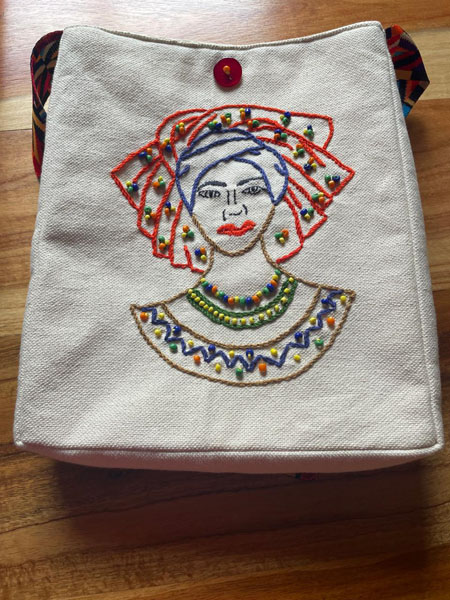
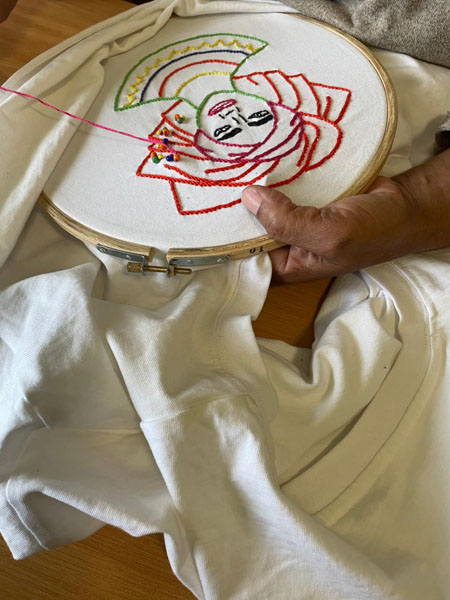
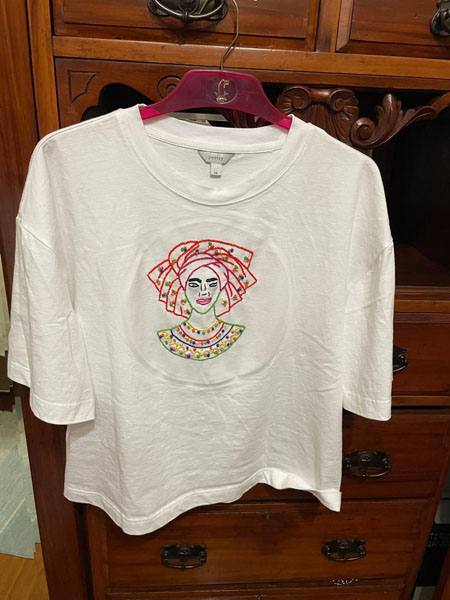
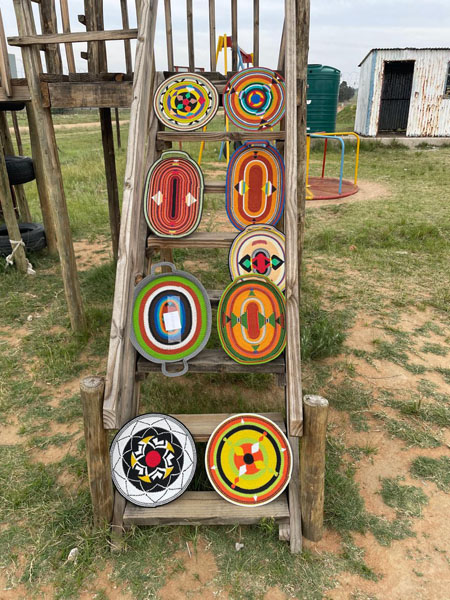
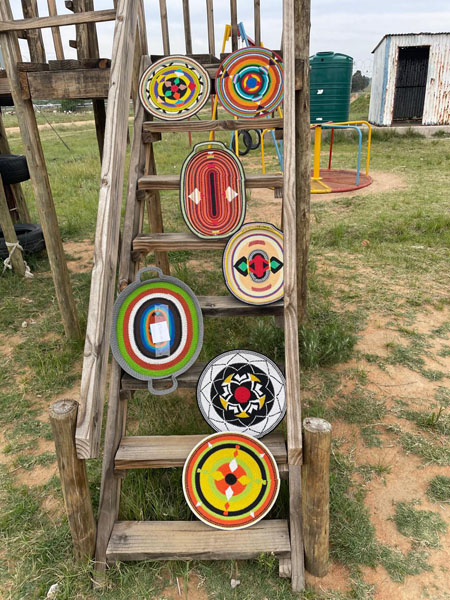
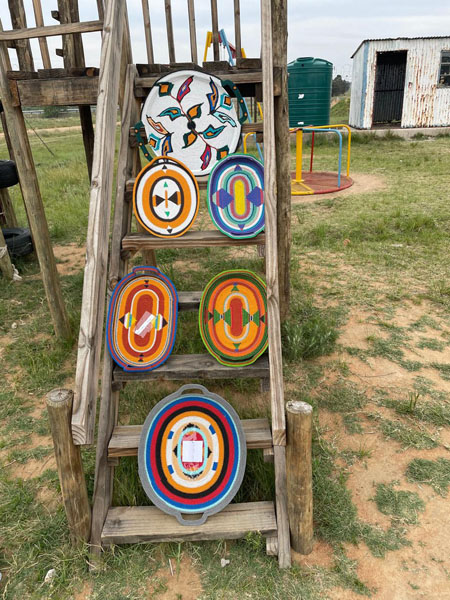
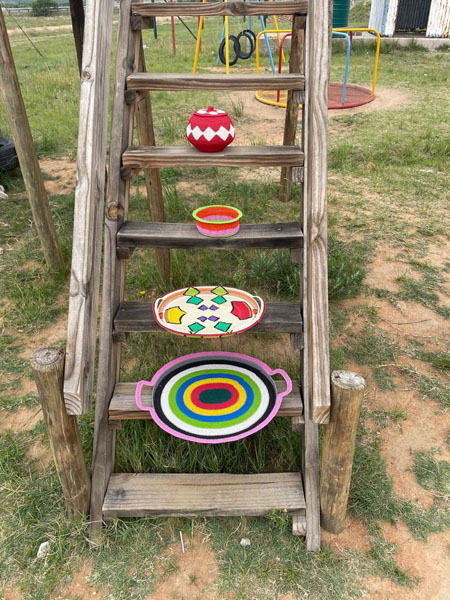
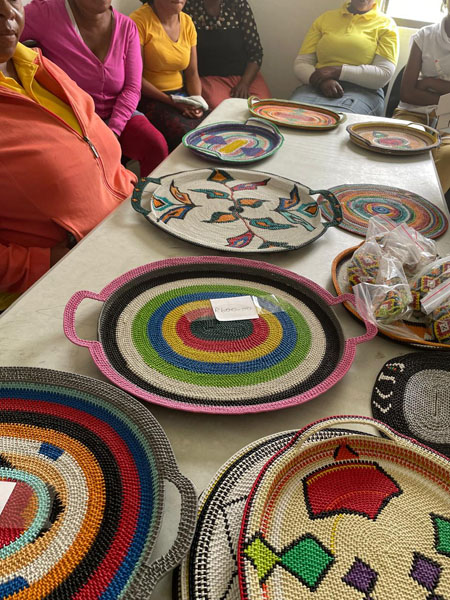
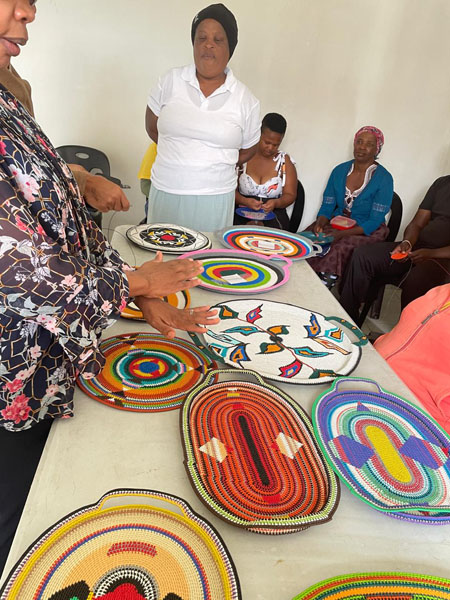
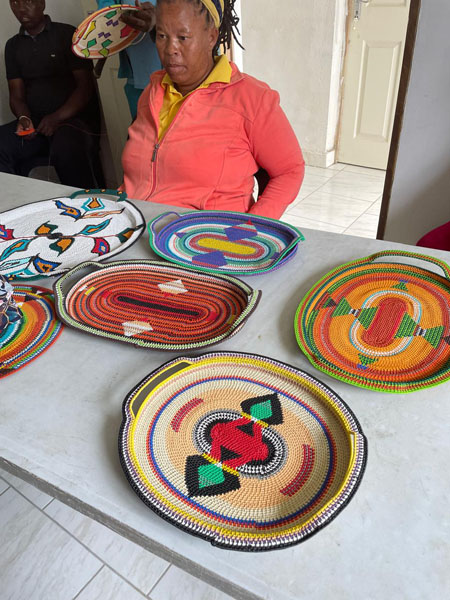
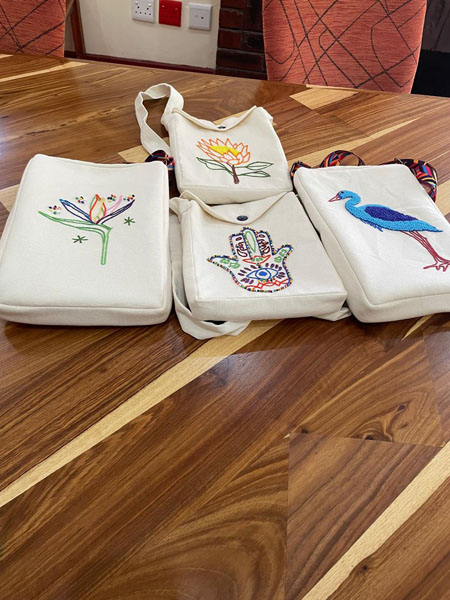
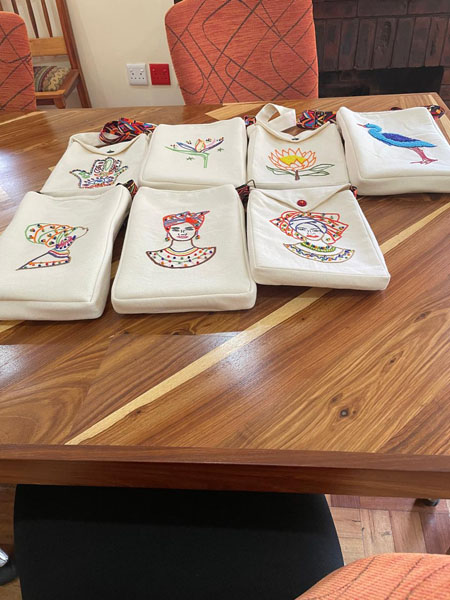
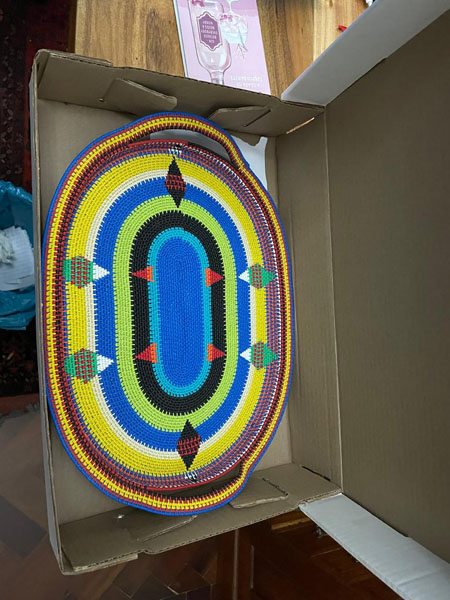
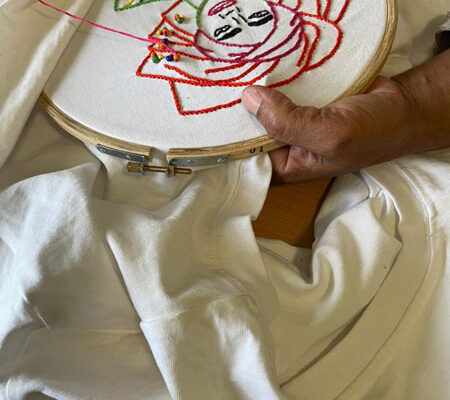
CCJD has piloted an embroidery and beadwork project with former victims of gender-based violence. The women work together creating spaces where they can share their stories and participate in each others’ healing from trauma, while generating an income. We are currently seeking funding to continue and expand this project.





Strengthening civil society
As a seasoned research and advocacy organisation with experience at the local, national and international levels, CCJD has strategic expertise and insights to offer the broader NGO, civil society, and human rights communities.
Research
CCJD offers its research expertise both on a contractual basis—in which CCJD conducts research for organisations—and on a training basis–in which CCJD trains teams in research methods.
Funding relationships and strategies.
CCJD has worked with dozens of international funders as well as local funding partners and individual donors. The relationship with funders is a complex space—often resulting in a tension between the aims and vision of different parties and increased administrative requirements as well as vulnerability when funding linked to a specific project comes to an end. The complex dynamics can shift an organisation’s priorities, values, and allocation of human resources significantly. CCJD has developed a social enterprise model which has mitigated the dependency on donor funding. We are working on approaches to share the lessons and strategies we have learnt with other NGOs through publications and workshops.
Decoloniality
The global decoloniality movement provides a larger framework for CCJD to engage with coloniality at all levels of its work. With 36 years of experience engaging with the justice issues of the apartheid and democratic eras in South Africa, we have witnessed the cumulative effects of centuries of colonialism and decades of apartheid on South African lives and communities. We are well positioned to facilitate dialogue among local NGOs about the role of NGOs in decoloniality and how change can be achieved in our current context. We also bring our experience and perspective to bear in international fora and networks.
Planned initiatives
Research academy.
- We are planning to launch a research academy that will offer training in participatory action research methods and decoloniality in research to NGOs and researchers across Africa.